เทคโนโลยีพิมพ์ดิจิทัล 2026! สีสดคมชัด ดันฉลาก SME สะดุดตา
ยกระดับฉลาก SME ให้โดดเด่น! เทคโนโลยีพิมพ์ดิจิทัล 2026 มอบสีสันสดคมชัด พร้อม VDP และการพิมพ์ไร้ขั้นต่ำ ช่วยสร้างแบรนด์ที่น่าจดจำ ไม่ต้องแข่งราคา. ค้นพบนวัตกรรมที่เปลี่ยนเกมธุรกิจคุณ.


ยกระดับฉลาก SME ให้โดดเด่น! เทคโนโลยีพิมพ์ดิจิทัล 2026 มอบสีสันสดคมชัด พร้อม VDP และการพิมพ์ไร้ขั้นต่ำ ช่วยสร้างแบรนด์ที่น่าจดจำ ไม่ต้องแข่งราคา. ค้นพบนวัตกรรมที่เปลี่ยนเกมธุรกิจคุณ.

หมดยุคสีเพี้ยนแล้ว! พบเทรนด์พิมพ์ 2026 ด้วยสุดยอดนวัตกรรม AI และ Next Gen CMYK+ จาก Fuji Xerox (FUJIFILM BI) ที่ให้สีสดคมชัดสมจริงทุกเฉดบนฉลาก สติ๊กเกอร์ และแพคเกจจิ้ง ยกระดับความน่าเชื่อถือให้แบรนด์คุณ ก้าวทันโลกการพิมพ์ยุคใหม่ได้แล้ววันนี้!

SME พิมพ์น้อยก็ปังได้! Print on Demand (POD) ช่วยลดทุนจม ไม่ต้องสต็อกของ สั่งพิมพ์ตามออร์เดอร์จริง เพิ่มความคล่องตัวให้ธุรกิจคุณ พร้อมพลิกวิกฤตเป็นโอกาสในตลาด E-commerce ไทยยุคดิจิทัล เรียนรู้เพื่อเติบโต!

SME ลดต้นทุนได้จริง! ค้นพบเทคโนโลยีเครื่องพิมพ์ Fuji Xerox (Fujifilm) ที่ช่วยธุรกิจคุณประหยัดค่าใช้จ่าย พิมพ์เร็ว คุณภาพสูง รองรับงานหลากหลาย ทั้งสติกเกอร์ นามบัตร และ POD เพิ่มประสิทธิภาพ ลดแรงงาน พร้อมสร้างโอกาสใหม่ๆ ให้ธุรกิจเติบโตอย่างคุ้มค่าน่าลงทุน
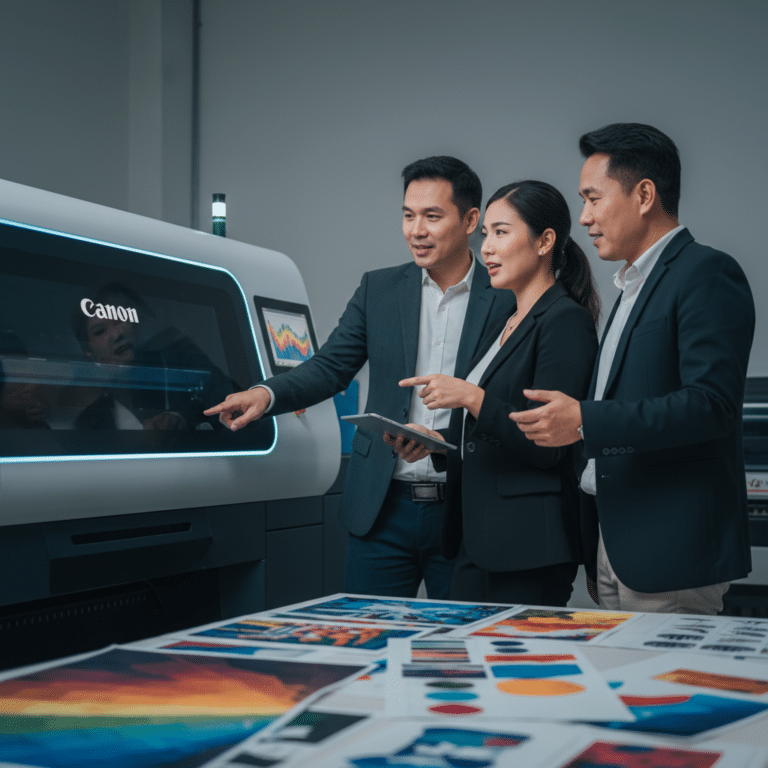
SME ไทยปี 2026: ดิจิทัลหรือออฟเซ็ท? ค้นพบคำตอบ! พิมพ์ดิจิทัลเหมาะกับงานน้อย ยืดหยุ่น รวดเร็ว ไม่มีขั้นต่ำ ลดสต็อก ช่วย SME ยุคใหม่ ส่วนออฟเซ็ทคุ้มค่ากว่าสำหรับงานปริมาณมาก เพื่อประหยัดต้นทุน เลือกการพิมพ์ที่ตอบโจทย์ธุรกิจคุณวันนี้!

ยกระดับ SME ไทย 2026 ด้วยพลังดิจิทัล! แม้ข้อมูลพิมพ์ดิจิทัลเฉพาะทางยังไม่ปรากฏ แต่ AI x Digital คือกุญแจสำคัญสู่การเติบโต เพิ่มประสิทธิภาพ ลดต้นทุน และพลิกโฉมธุรกิจคุณให้ก้าวทันยุค เตรียมพร้อมรับมือเทรนด์ใหม่เพื่ออนาคตที่สดใสกว่าเดิม!
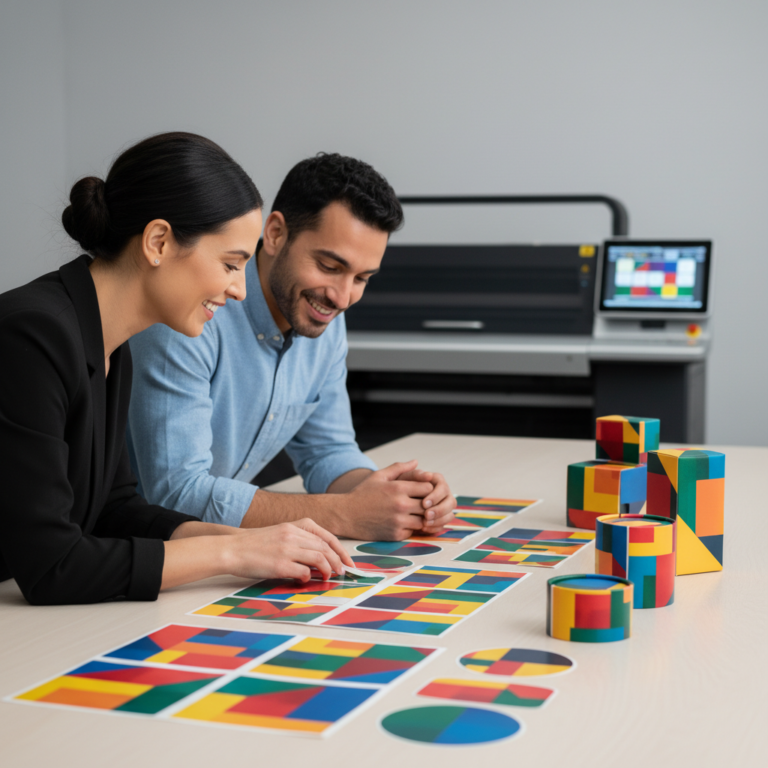
อยากให้ฉลากสินค้า SME ดูแพงและมีระดับ? อัปเดตเทคโนโลยีการพิมพ์ 2026! พบเทรนด์ดีไซน์ Organic Minimalism, การจัดวางตัวอักษร, Variable Data Printing และ Smart Labels ที่ช่วยเพิ่มมูลค่าแบรนด์ให้โดดเด่นอย่างยั่งยืน ค้นพบนวัตกรรมเพื่อธุรกิจคุณเลย!
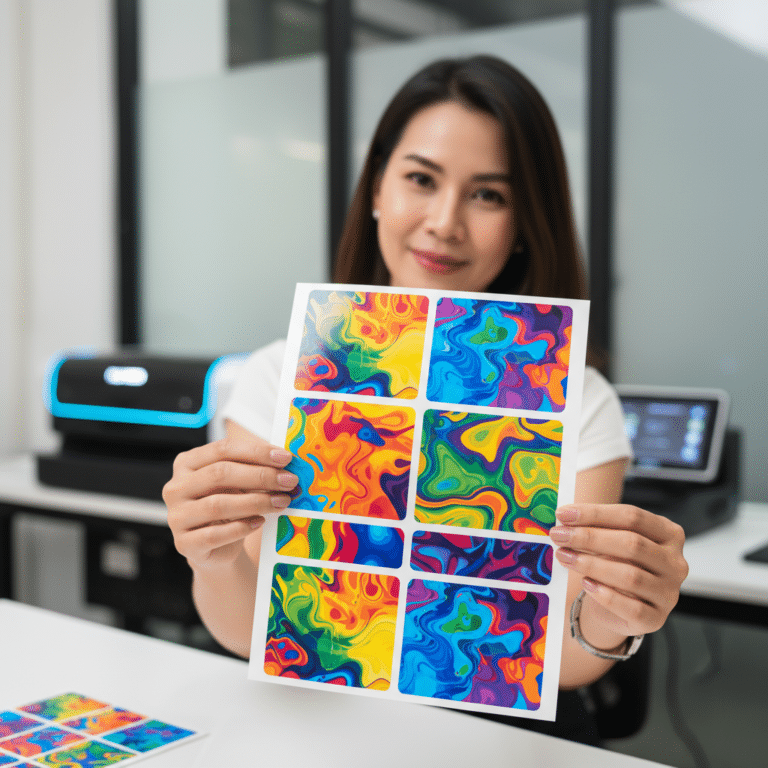
ฉลาก SME ของคุณจะโดดเด่น! ค้นพบนวัตกรรมพิมพ์ Fuji Xerox 2026 ที่ใช้ Next Gen CMYK+ และ AI สร้างฉลากสีสด คมชัด ทนทาน พิมพ์ตามสั่ง ลดต้นทุน ยกระดับแบรนด์อย่างมืออาชีพ ลองพลิกโฉมธุรกิจคุณวันนี้!
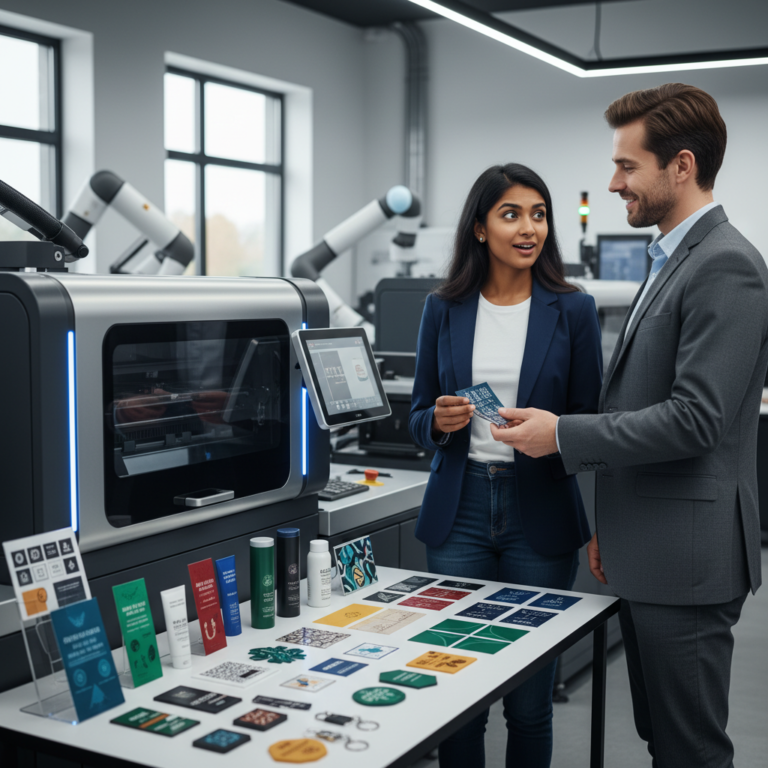
สุดยอดนวัตกรรม! Digital Print 2026 พิมพ์ฉลากสีสด คมชัด สั่งน้อยก็คุ้มค่าสำหรับ SME หมดปัญหาของค้างสต็อก พร้อมผสาน AI และความยั่งยืน ร่วมค้นหาโอกาสทางธุรกิจใหม่ๆ ที่จะขับเคลื่อนคุณให้เติบโตอย่างก้าวกระโดด!

ปลดล็อกศักยภาพธุรกิจ SME! พบคำตอบว่าทำไม Fuji Xerox คือทางเลือกอันชาญฉลาดในการพิมพ์ฉลากคุณภาพสูง รวดเร็ว รองรับงานหลากหลาย ทั้งสติกเกอร์และนามบัตร ช่วยเพิ่มช่องทางรายได้และขยายธุรกิจคุณอย่างมืออาชีพ สำรวจโอกาสใหม่ได้เลย!